
Vapor Barrier Repair in Hudson, FL
Ask most Hudson mobile home owners what a vapor barrier is and you'll get a blank look. Ask them why their floors feel cold in winter, why the electric bill keeps climbing, or why the house smells damp no matter how much they clean, and you'll get a detailed answer. They know the symptoms. They just don't know the symptoms are coming from a deteriorating sheet of plastic on the ground underneath their home.
Murray Mobile Home Services repairs and replaces mobile home vapor barriers throughout Hudson. We're based here, we've worked in parks across the area, and we understand what Hudson's ground and climate conditions do to barriers over time. For an in-depth explanation of how vapor barriers work, why they fail, and how we approach repairs, visit our main vapor barrier page. This page covers why vapor barriers in Hudson fail faster and more completely than in most other parts of the state.
What Your Vapor Barrier Protects Against in Hudson
Hudson's Gulf Coast climate puts more pressure on vapor barriers than most areas in the state. The barrier underneath your home is your crawlspace's primary defence against three threats that are constant and aggressive in this area.
Moisture
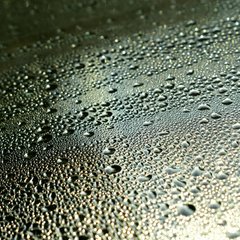
Hudson's high water table and perpetually damp sandy soil generate constant upward moisture. Without a sealed barrier, that moisture enters the crawlspace and attacks your insulation, floor joists, and subfloor from below.
Mold
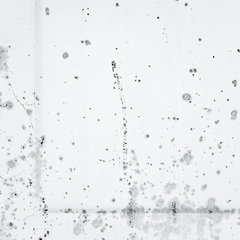
The warm, dark, humid conditions in a Hudson crawlspace are the ideal environment for mold growth. Once established on floor joists and insulation, spores travel upward into the living space and affect the air your family breathes.
Pests
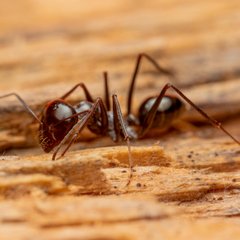
Hudson's coastal environment supports rodents, snakes, insects, and other wildlife that use torn or missing barriers as access points to the crawlspace, where they damage wiring, insulation, and ductwork.
The Ground Underneath Hudson Never Dries Out
Vapor barrier failure starts with what's below it, and what's below it in Hudson is perpetually damp sand. The water table across much of western Pasco County sits within a few feet of the surface. Even during the driest weeks of winter, the soil beneath a Hudson mobile home retains enough moisture to generate constant upward evaporation. During the wet season (June through October), the ground is saturated to the point where standing water under the barrier is common after any significant rain event.
This unrelenting moisture is what separates Hudson from drier inland areas where vapor barriers last longer. A barrier installed in a crawlspace with moderate, seasonal moisture faces intermittent stress. A barrier in Hudson faces continuous moisture pressure from below, every day, year round. The material fatigues faster. Seams separate sooner. Edges pull away from the frame earlier. The useful lifespan of a vapor barrier in Hudson is measurably shorter than the same material installed in a home sitting on higher, drier ground twenty miles to the east.
What Accelerates the Damage in Hudson
Constant ground moisture is the baseline. On top of that, several Hudson-specific factors accelerate vapor barrier deterioration beyond what the material alone would suggest.
Foot traffic during inspections, repairs, and pest treatments compresses, tears, and displaces the barrier. In a community with over 120 mobile home parks and the level of maintenance activity that implies, the cumulative effect of people crawling across the barrier over years is significant. Every trip into the crawlspace risks tearing material that has already been weakened by moisture and age.
Animal activity is constant. The Hudson skirting page covered the local wildlife that accesses crawlspaces through gaps in the skirting. Once inside, animals tear through the barrier to create nesting areas, drag material around, and leave waste on top of the sheeting. A barrier that's been used as a nest site rarely has enough intact surface left to function.
Storm events cause acute damage. The 2024 Pasco County flooding displaced vapor barriers across Hudson as rising water pushed underneath homes, lifted the sheeting off the ground, deposited silt and debris on top of it, and left it bunched, folded, or floating in standing water. Homes that had functional barriers before the event came out the other side with barriers that needed complete replacement.
The original material quality matters too. Most factory-installed vapor barriers are the cheapest material that meets the minimum code requirement. In the conditions Hudson creates, minimum-grade material is reaching the limit of what it can handle. The barrier does its job for a number of years and then begins to fail, not because it was defective, but because the environment it's working in is relentless.
How a Failed Barrier Plays Out in a Hudson Home
The progression follows a pattern we've seen hundreds of times in the area. Ground moisture enters the crawlspace through tears, gaps, or missing sections in the barrier. The moisture-laden air fills the enclosed space, raising humidity levels. Cooler surfaces in the crawlspace (ductwork, water supply lines, the underside of the subfloor) collect condensation. The condensation soaks into insulation.
From there, the consequences branch out. Wet insulation sags and falls, leaving sections of the subfloor uninsulated and exposed. The HVAC system works harder to maintain temperature, running longer cycles and consuming more energy. Ductwork connections that sit in humid air corrode and can separate at joints, dumping conditioned air into the crawlspace and pulling crawlspace air into the home. Mould establishes on floor joists, insulation surfaces, and the underside of the subfloor. The air quality inside the home deteriorates as spores and damp particulates are drawn upward through the floor system.
Meanwhile, the exposed ground where the barrier has failed continues to release moisture into the crawlspace unimpeded. The problem doesn't stabilise. It compounds.
If this sounds similar to the crawlspace repair page, that's because it is. A failed vapor barrier is the starting point of most crawlspace problems in Hudson. Fixing the barrier addresses the root cause. The crawlspace page covers what happens when the damage has already spread to insulation, ductwork, and beyond.
Barrier Condition Across Hudson's Parks
We've inspected crawlspaces in parks throughout Hudson, from the established 55+ communities along the US-19 corridor to smaller family parks and private lots closer to the coast. The condition of vapor barriers varies, but patterns emerge.
Homes in the older established parks (communities developed in the 1970s and 1980s) frequently have original barriers that are well past their functional life. The material is brittle, torn in multiple places, and in some cases has disintegrated to the point where only fragments remain. These homes often need complete barrier replacement alongside crawlspace restoration because the barrier failure has been ongoing for years and the insulation, ductwork, and subfloor have been affected.
Homes in newer parks or homes that have changed hands recently sometimes have barriers that were replaced as part of a previous sale or compliance process but were installed with minimal quality material or poor workmanship. We see barriers that were laid loosely on the ground without being secured to the frame, barriers with unsealed seams that have already separated, and barriers that were cut short and don't reach the full perimeter of the home. These partial or poorly executed installations can fail within a few years, especially in Hudson's conditions.
Homes that have been through the 2024 flooding are a distinct category. Regardless of the barrier's previous condition, the flood event created a reset point. Barriers that were functional before the flood may no longer be after the water displaced, silted, and damaged the material. If your Hudson home was affected by the flooding and the crawlspace hasn't been inspected since, the barrier should be checked.
Further inland, Shady Hills deals with a different pressure on its barriers: clay soil that keeps the crawlspace at elevated moisture year-round rather than from a high coastal water table.
What We Install in Hudson
Given what Hudson's crawlspace environment puts a vapor barrier through, installing the same minimum-grade material that failed in the first place doesn't make sense. When we replace a barrier in Hudson, we install material that's built to handle the conditions here for the long term, not just meet a code minimum and start degrading.
We use reinforced polyethylene with an internal mesh layer that provides significantly greater puncture and tear resistance than the standard smooth material that most homes are originally set up with. This reinforcement means the barrier holds up against foot traffic during future inspections, ground shifting, animal contact, and the constant moisture stress of sitting on Hudson's damp sand year after year. It doesn't become brittle. It doesn't crumble when someone crawls across it five years from now.
Every barrier we install is secured to the frame of the home at the edges, not laid loosely on the ground. Seams between sheets are overlapped and sealed to create continuous, gap-free coverage. The result is a barrier that performs as a permanent solution for the life of the home rather than a material you'll need to replace again in a few years.
Timing It Right
If your vapor barrier needs attention, the best time to address it is during the drier months (November through April) when the ground moisture levels in Hudson are at their lowest and the crawlspace is more accessible. Working under a home during July or August, when the crawlspace is at peak heat and humidity, is physically harder and the conditions are worse for installation because the ground is at its wettest.
That said, if you're noticing symptoms now (musty smell, rising energy bills, soft spots near moisture-prone areas), don't wait for winter. The damage underneath is progressing every day the barrier is compromised, and waiting six months for ideal conditions means six more months of moisture reaching your insulation, subfloor, and ductwork.
If you're selling the home, timing is determined by the transaction. A functioning vapor barrier is a compliance requirement, and if the engineer's report flags it, the replacement needs to happen before re-inspection regardless of the season.
Let's See What's Under There
If you haven't looked at the crawlspace in a while, or if the symptoms suggest something is off underneath, give us a call and we'll come out and check. We'll assess the barrier condition, look at the insulation and ductwork while we're down there, and give you a clear picture of what the crawlspace needs. If the barrier is still doing its job, we'll tell you. If it's time for a replacement, we'll explain why and what's involved.
Schedule a Barrier Check